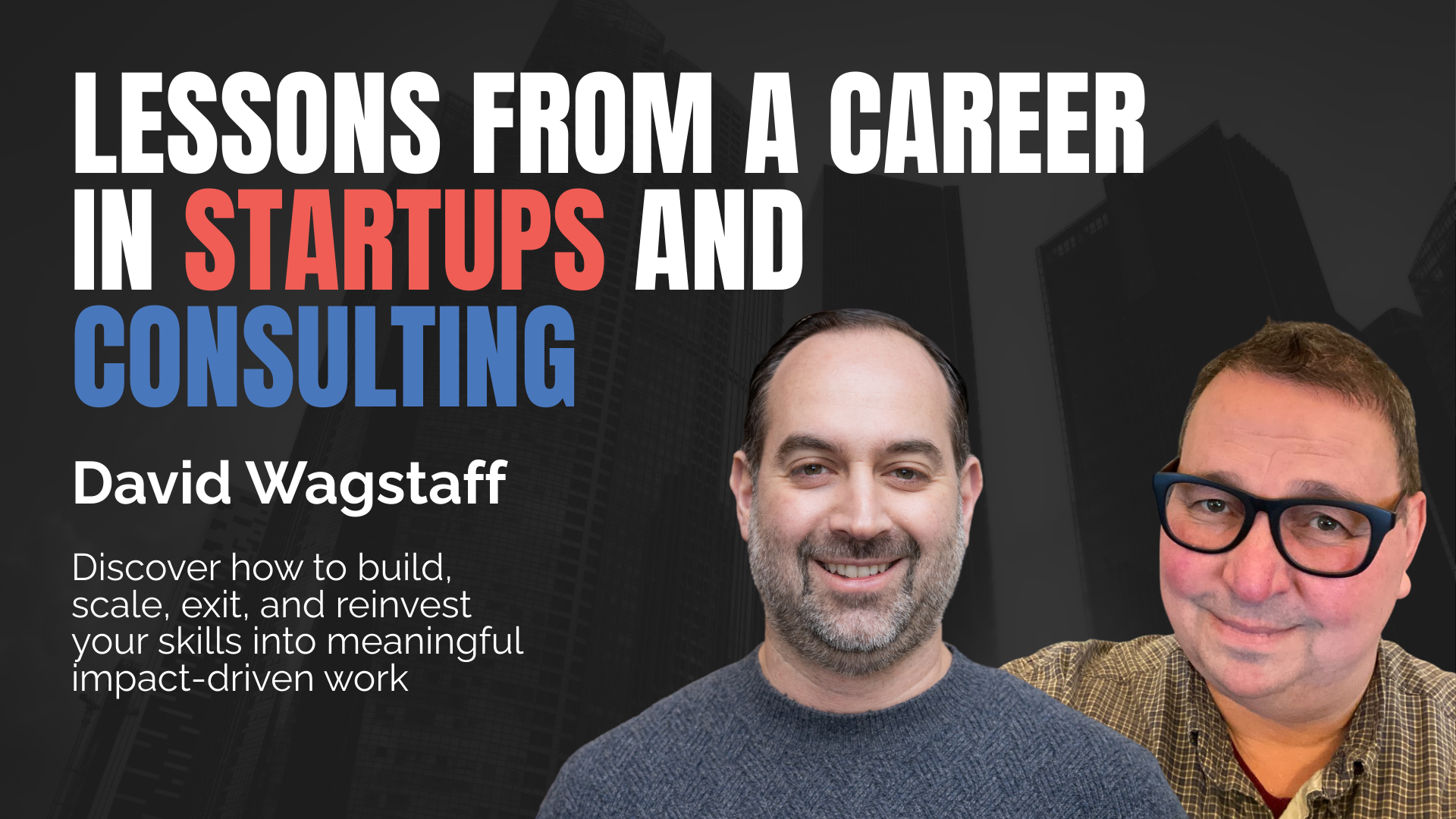
David Wagstaff shares how his first business venture began with a lemonade stand after failing second grade. That early success gave him the confidence to improve academically and socially. He explains how being on a busy corner, not business genius, made the difference in his early profits. From selling candy in junior high to negotiating bulk candy deals with ice cream trucks, David learned how pricing, regulation, and creativity all matter.
Finding Focus with David Wagstaff
Growing up with learning disabilities and a severely disabled sibling shaped David’s perspective. A summer with his aunt, a reading specialist, helped him overcome his reading challenges. From there, confidence grew. In high school, he became the most improved student in both academics and sports. He emphasizes how confidence from entrepreneurship carried into all other parts of his life.
Why David Studied Business
David chose to study economics and management in college after seeing his parents struggle financially. He wasn’t driven by money but by the desire to understand how money and systems worked. His college experience was transformative, giving him a sense of place and lasting friendships. Later, he pursued an MBA in finance, accounting, and new venture creation with a long-term goal to return to entrepreneurship.
Wagstaff in the Corporate World
David started at a startup, then moved to consulting at Pricewaterhouse and KPMG, where he helped large organizations improve operations. He explains how the contrast between startups and large corporations helped him develop a deep understanding of how businesses scale and the tradeoffs involved in structure, freedom, and decision-making.
Entering the Startup World
During the early 2000s tech boom, David transitioned from corporate consulting to a startup that raised $15 million. He quickly rose to CTO and COO. That experience exposed him to fast decision-making, venture capital, and the realities of legal viability that ultimately ended that business. He shares what it taught him about execution speed and agility.
David Wagstaff on Building and Selling a Business
After leaving the startup, David launched a financial consulting firm focused on community banks. He explains how choosing a specific market and geographic radius helped him succeed. He built a strong brand, hired a team, and sold the company three years later. One of his biggest takeaways was the importance of brand-building and designing a sellable business from day one.
Wagstaff’s Turn Toward Impact
David chose to shift gears after a successful exit and joined a nonprofit as CFO. He helped turn around their finances and added significant new funding. Feeling his salary wasn’t the best use of funds, he stepped aside. This led him into a role as an entrepreneur within a larger company, marking another evolution in how he created value through business.
What David Learned from Failure
David shares how one of his most promising startups failed because excitement and hype led to rushed decisions. Despite early traction and serious investor interest, they lacked a strong launch strategy. It taught him to be cautious about external enthusiasm and stay disciplined in execution, even when people around you are energized.
eParachute and David’ Global Vision
David’s most recent focus is on social entrepreneurship. He founded a B Corp aimed at supporting 100,000 diverse entrepreneurs worldwide. He used his LinkedIn network to validate the need and shape the offering. His goal is to make a global difference through business by enabling others who are already committed to impact.
Final Reflections
David shares the mindset he would pass on to his younger self: stay grateful. He believes gratitude is key to navigating challenges and that success often grows from setbacks. He encourages entrepreneurs to pursue meaningful work that aligns with who they want to be and to remember that you don’t need everything to be perfect to start.