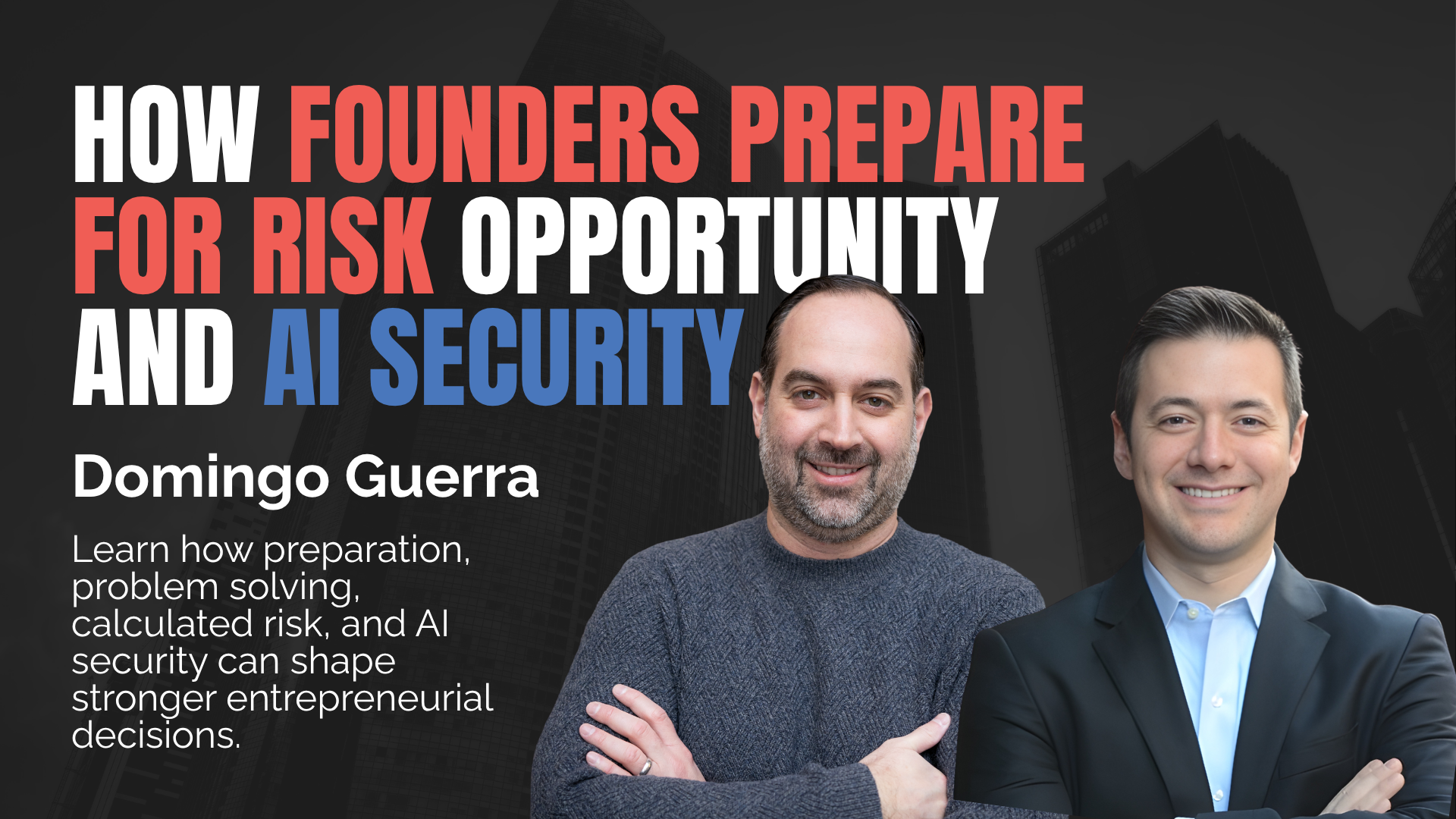
We explore with Domingo Guerra, how an entrepreneurial mindset began with ownership, preparation, and a clear view of future choices. In high school, he worked backward from ambitious goals and identified the building blocks he needed. Therefore, math, physics, and engineering became practical steps rather than abstract subjects. He didn’t know the final destination, but he understood how early decisions could stack. That approach shaped every major move that followed.
He left Monterrey at eighteen and moved to Austin without friends or family nearby. However, the culture shock forced him to manage his schedule, studies, work, and daily life. That experience strengthened his entrepreneurial mindset because responsibility became a daily practice. Later, Stanford, Silicon Valley, and demanding engineering roles expanded his technical judgment. Meanwhile, business school helped him understand why strong products still fail in the market.
How Guerra Turned Curiosity Into Conviction
Domingo Guerra eventually stopped preparing and started building. First, he recognized a growing mobile security problem inside his own workplace. Then, he left a stable career and launched a startup with a trusted cofounder. The first product arrived too early, so the team kept testing ideas. Because they stayed close to customer needs, they found a valuable mobile security solution. Their entrepreneurial mindset helped them adapt without abandoning the underlying problem.
The company raised venture funding, grew, and sold to Symantec in 2018. Still, the acquisition taught him that financial success doesn’t always create meaningful work. He missed the speed, ownership, and direct impact of startup life. Consequently, he began advising founders and investing in cybersecurity companies. Those experiences revealed where his entrepreneurial mindset created the greatest value.
What Domingo Learned About Risk and AI
He now focuses on security for AI because he sees another major workplace transformation. AI can improve productivity, automate tasks, and create new digital workers. However, it can also expose confidential data and create privacy, security, and compliance risks. He explains why companies need safeguards before employees share sensitive information with public tools. Therefore, security must advance alongside adoption rather than follow it years later.
The conversation also examines risk, luck, and the cost of waiting too long. He argues that preparation matters only when someone acts on opportunity. Likewise, he believes founders must love the problem more than the possible payout. That entrepreneurial mindset helps people endure uncertainty, setbacks, and slow progress. Ultimately, small wins can stack into meaningful results when curiosity and commitment remain strong. He also shares one regret. He would’ve started his first company earlier.