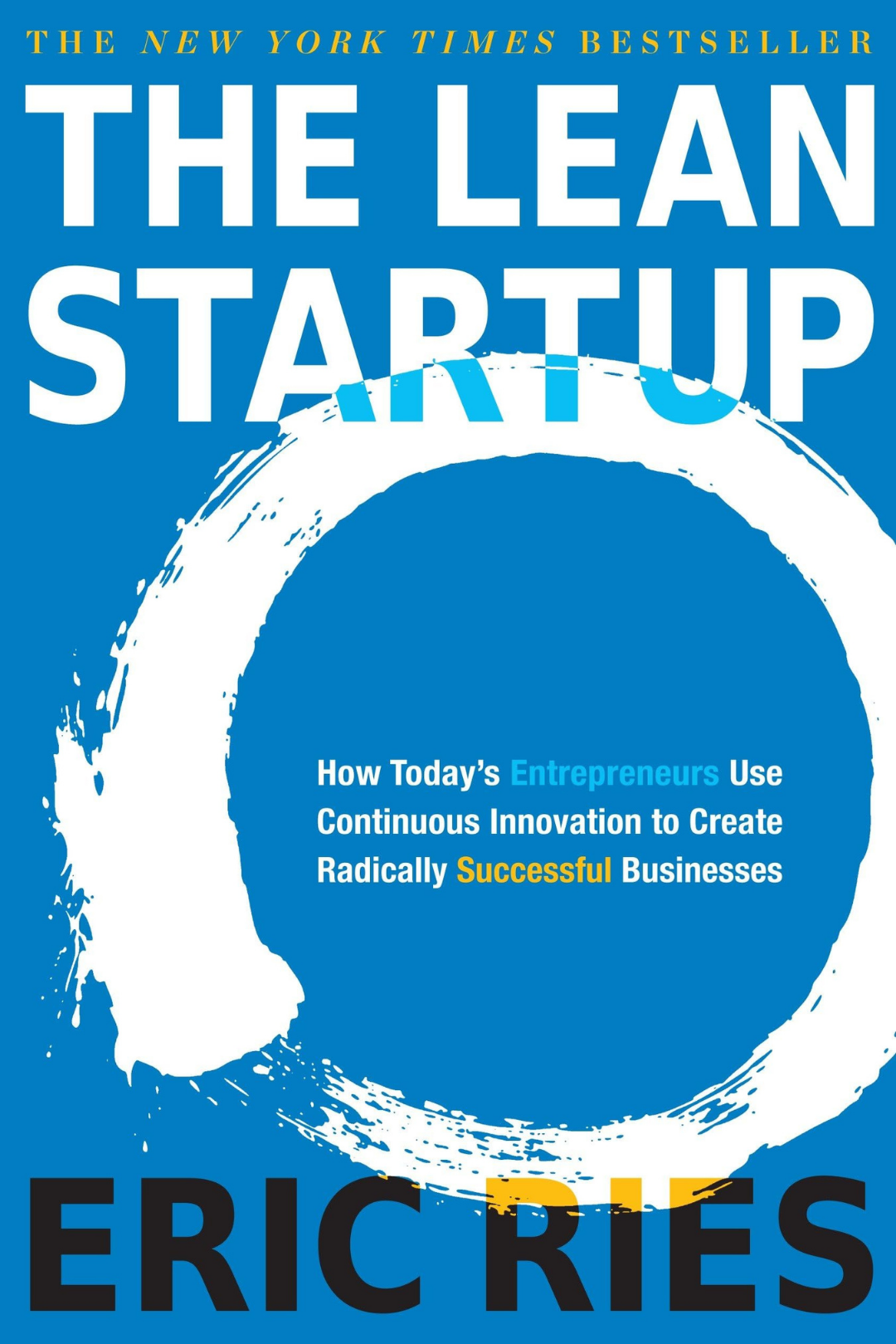
Eric Ries didn’t write The Lean Startup for people who like following manuals. He wrote it for folks who like building new ones. If you’re a founder, rising executive, or just someone who can’t stand wasting time and money on ideas that stall, this one’s worth your eyeballs.
It’s not a book about startups only. It’s about how any leader can think, test, and move fast without flying blind. Ries built it around lessons from Silicon Valley, sure, but the takeaways are sharper than just code and software. This book speaks directly to how leaders at all levels can stop guessing, start measuring, and lead teams without burning out or going broke.
If you’ve ever led a team into a new project and found yourself months later wondering what exactly you were doing it all for, this book has answers. Hard ones, sometimes. But useful ones.
The TL;DR for people who actually lead things
- People build things nobody wants, and they do it a lot
- Being “visionary” without feedback is just guessing
- MVP (minimum viable product) doesn’t mean low quality, it means low waste
- Startups and teams should experiment like scientists, not build like robots
- Leadership isn’t about having all the answers, it’s about asking better questions
- Big orgs need to act like startups too, or they get left behind
- You can learn fast, build fast, and still be strategic
- The Lean Startup is a mindset, not a method
Killing the idea that you need it perfect on day one
Perfection is a myth dressed up in deadlines and expensive meetings. One of the strongest ideas Ries brings to the table is that waiting until something is “ready” is usually just code for “we’re scared.” He tells stories of founders spending months building features that no one ever used. Then he flips it. What if instead of a 6-month dev cycle, you spent one week building just one thing your user actually needed?
A lot of leaders hold onto the old way: ship once, get it right, cross fingers. But shipping small, listening hard, and adjusting fast builds trust and results. Fast doesn’t mean reckless. It means humble. And humility is surprisingly rare up top.
The startup graveyard is filled with companies that waited too long to learn.
You’ve probably been here before, even if you didn’t call it that
Picture this. You’re leading a team. The vision’s huge. Meetings are full. Everyone’s working hard. Then six months pass. Nothing launches. The product’s bloated. Morale is weird. Stakeholders start circling like hawks.
Sound familiar?
The Lean Startup flips that script. Instead of going big first, you go small, test, get real-world feedback, and adjust. Leaders who’ve tried this approach often talk about a sense of relief. Suddenly, the pressure to be “right” vanishes. You don’t have to be a genius. You just have to learn faster than the next team.
And when your team sees that you’re willing to learn out loud, they follow. Culture shifts. Meetings get sharper. People stop hiding behind PowerPoints.
One exec I spoke to recently said implementing just one idea from Ries saved her team 14 weeks of dev time. That’s almost four months of weekends back.
You don’t need to be a founder to act like one
The real kicker in The Lean Startup is that it’s not just for people building new companies. It’s for anyone trying to build anything new. That includes leaders inside Fortune 500s, managers trying to shift a process, or execs building out a new department.
Ries gives you the green light to stop acting like a “safe” corporate player and start acting like an explorer. Because when you test, measure, and pivot based on what customers or users are actually telling you, you look less like a cowboy and more like a strategist.
Here’s the shift:
- Don’t wait for “perfect” data
- Talk to users now
- Try small things, see how they land
- Use what you learn to make the next step smarter
The teams that do this don’t just move faster. They build better stuff.
Here’s how those ideas actually work in action
Let’s say you’re a VP in a mid-size company, launching a new product line. Traditional playbook says do the market research, write a 100-page strategy doc, build the full thing, then hope customers show up.
The Lean Startup flips it:
- Interview 10 real potential customers in the first week
- Build a bare-bones prototype by week two
- Launch it to a tiny group
- Track behavior, not opinions
- Adjust or scrap based on what actually happens
| Traditional Approach | Lean Startup Approach |
| Months of planning | Days of experimenting |
| Full product before launch | Small test versions early |
| Big budgets upfront | Tiny tests with real users |
| Launch once, hope for best | Launch constantly, improve |
This isn’t just tech stuff. This is for retail teams, nonprofit campaigns, service orgs, hospitals, anything.
If what you’re building matters, it’s worth testing early.
When the data backs the instinct
Plenty of teams adopt startup lingo without actually doing the work. But when you do test, pivot, and iterate like Ries suggests, the results are more than feel-good. They’re measurable.
Harvard Business Review, McKinsey, and even the US government have cited Lean Startup methods as drivers of real performance shifts. Companies using MVP testing have reported faster time to market, lower failure rates, and higher customer satisfaction. That’s not fluff. That’s numbers.
What’s wild is how small some of the changes are. Leaders let teams run one small experiment per sprint. They hold one customer call a week. They replace one planning doc with a testable hypothesis. That’s it.
But the ripple effects? Big.
Got A Book To Recommend?
Send us a message and recommend something you think other young entrepreneurs would benefit from reading!
Sticky Notes for Your Leadership Brain
- You don’t need big launches to make big impact
- MVPs are about learning, not shortcuts
- Testing fast beats guessing fancy
- Leaders who ask questions move faster than ones who give answers
- Culture shifts when failure becomes data, not drama
- The Lean Startup is a mindset, not just a method
- Build something people want by talking to them, not about them
- You’re allowed to build the plane while flying it
Read the book if you haven’t. Reread it if you did. Because the next thing you build could be ten times faster, leaner, and stronger.