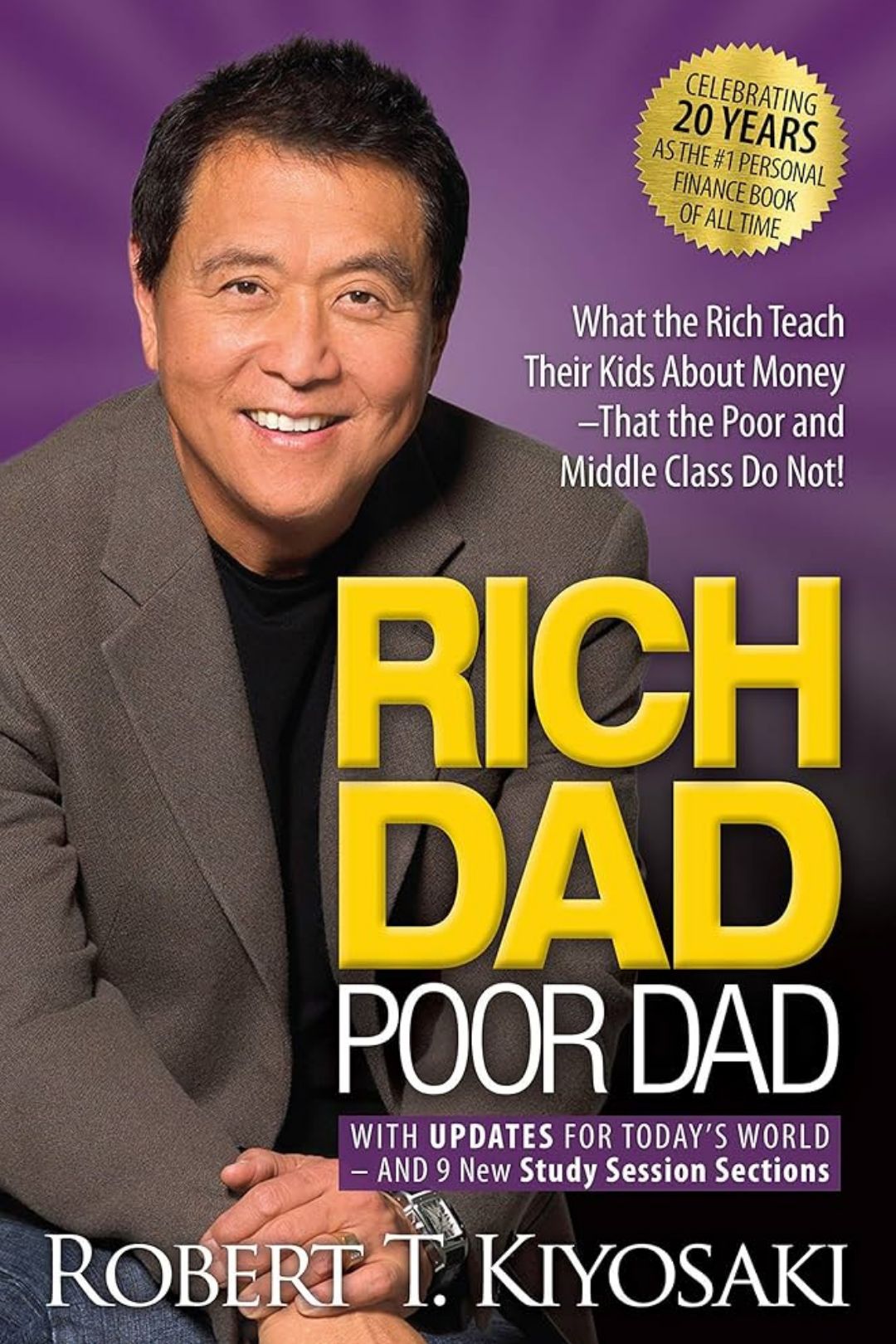
Starting a business feels exciting, right? But also a little terrifying. You’ve got this idea burning in your head, but now comes the money part. That’s where Rich Dad Poor Dad quietly sneaks into the picture. Not as a rulebook, not as a perfect plan, but as a mindset-changer. If you’re an aspiring entrepreneur, this book doesn’t just suggest a different way to look at money, it smacks you over the head with it.
At first glance, it might feel like a finance book your uncle would push at a family BBQ. But it’s not just about cash flow and real estate. It’s about flipping everything you thought you knew about money. It compares two father figures: one educated, broke, and well-meaning. The other? Barely formally educated but seriously rich and very strategic. The message isn’t subtle. It’s about learning to think differently like the wealthy do not just about how to earn more, but how to use money to buy back your time.
For young entrepreneurs, especially ones fed up with the go-to-school, get-a-job path, this book lights a fire. It doesn’t hand you a business model. It hands you a new set of eyes.
TL;DR: Why This Book Hits Different
- Most schools teach how to be employees, not owners
- Financial literacy isn’t a bonus skill, it’s the main skill
- “Assets over liabilities” is more than a cute catchphrase
- You don’t need a trust fund to think like the rich
- The biggest battle is changing how you see money
- Rich Dad Poor Dad won’t teach you how to run a startup, but it’ll rewire how you think about risk, ownership, and freedom
Stop Thinking a Job Is the Goal
Here’s what most of us hear growing up: study hard, get into a good college, land a safe job, and live happily ever after. That’s the “Poor Dad” blueprint in the book. He was smart, educated, and stuck. The idea of entrepreneurship? Way too risky. For him, debt was bad, security was everything, and working harder meant doing longer hours.
But “Rich Dad”? Totally different beast. He saw jobs as temporary training grounds. Rich dad didn’t fear debt; he used it. He bought assets that made money while he slept. Not because he was lucky, but because he understood money wasn’t about hustle. It was about leverage.
Young entrepreneurs clinging to the old-school job plan usually stall out early. They’re scared of debt, of risk, of failing in public. That’s a mindset, not a reality. And that’s exactly what the book cracks open.
That “Wait… What?” Moment for First-Time Readers
Picture this: you’re 22, fresh out of school, freelancing or working some part-time gig to fund your startup. You read this book and hit the part where Robert Kiyosaki says your house is not an asset. Boom. Brain melt. That’s probably the first moment you realize maybe you’ve been taught all this backwards.
Or maybe it’s the bit about working for free to learn, not earn. Most people work for money. Rich Dad? He worked for skills. Negotiation, marketing, communication, deal-making. Those don’t show up on a paycheck, but they’re the real fuel for entrepreneurs.
Every reader remembers the chapter that made them pause and go, “Wait, why didn’t they teach this in school?” That’s not an accident. That’s the whole point.
What You Should Focus on Instead
The takeaway isn’t to go buy rental properties tomorrow. It’s to stop wasting time building someone else’s dream. The book nudges you, hard, toward a mindset that values ownership. Not just of stuff, but of your decisions, your time, and your income.
Start looking at your money like a tool, not a reward. Spend less on things that lose value. Put that cash into stuff that pays you back. Want to build an app? Don’t just make it cool. Figure out how to make it sell itself.
Instead of chasing paychecks, ask: how do I build something that keeps working even when I don’t? That’s the difference between owning a job and owning a business.
Here’s how those two paths compare:
| Poor Dad Thinking | Rich Dad Thinking |
| Work to earn a paycheck | Build assets that generate income |
| Avoid debt at all costs | Use good debt to grow wealth |
| Education = good job | Education = tools to get freedom |
| Save money in a bank | Invest money in cash-flowing assets |
| Play it safe | Take calculated risks |
If You Read One Finance Book at 20, Make It This One
Every entrepreneur remembers the first book that really hit them. For a lot of folks, this one’s it. Not because it’s the most detailed, or the most advanced, but because it flips the switch early. That shift from “how do I earn more” to “how do I own more” is everything.
You’ll start noticing things differently. That car lease your friend just signed? Liability. That vending machine someone put in a dorm hallway? Asset. You won’t stop seeing those little financial chess moves once you’ve read it.
And no, it won’t give you a business plan. But it will give you the nerve to question everything. That’s a good thing.
You Don’t Need a Big Budget to Start Thinking Big
This book doesn’t care if you’re broke. It actually assumes you are. But it still shows you how to make your mindset rich. If you’re living on ramen and side gigs, Rich Dad Poor Dad feels like someone just handed you a secret map.
So much of the book is about what happens before you make money. How you think. What you read. Who you hang out with. Whether you look at problems and start calculating upside instead of panicking about risk.
If you’re waiting for a sign to start building something of your own, this might be the one wrapped in a $10 paperback cover.
Got A Book To Recommend?
Send us a message and recommend something you think other young entrepreneurs would benefit from reading!
Flip the Script: What Actually Matters Most
- Think like an owner, not an employee
- Build assets, not just income
- Learn skills that make money, not just earn grades
- Risk isn’t the enemy if you understand it
- Use money as a tool to buy back time
You don’t need to follow every piece of advice in the book. But if you’re a young entrepreneur trying to find your footing, Rich Dad Poor Dad might be the first nudge that pushes you toward a totally different way of building your future. It’s not about formulas. It’s about frameworks. And those tend to stick.