How Reid Robinson Turned Recovery Into Action
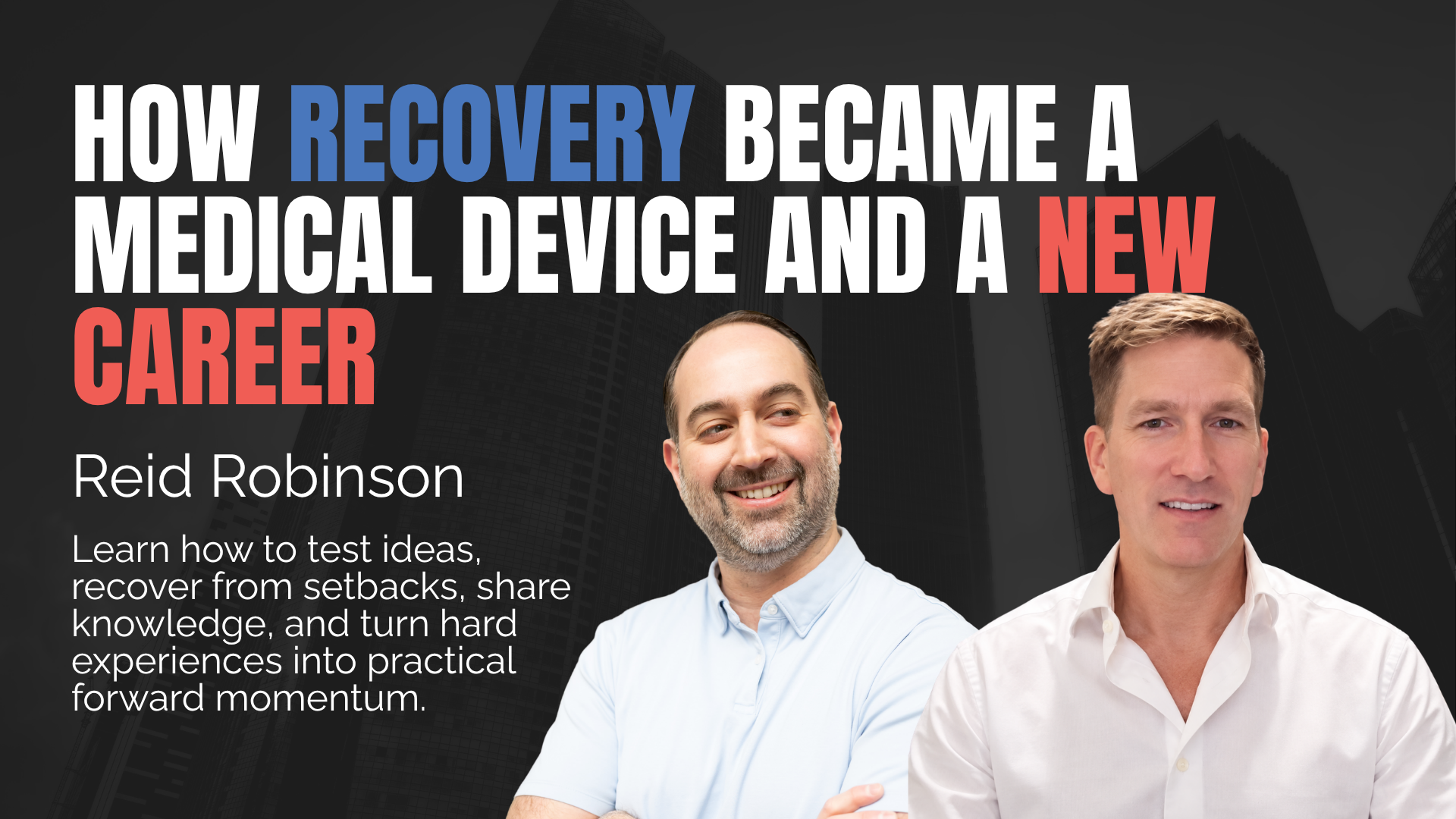
Reid Robinson’s story connects recovery, invention, consulting, and entrepreneurial resilience through several major changes in his life. He grew up in Nova Scotia before moving west to Calgary for work. Although his parents taught at universities, Reid initially chose labor jobs instead of higher education. However, a serious head injury eventually changed his direction. He returned home, earned technical certifications, and started building a long career in IT.
That career also shaped Reid’s approach to entrepreneurial resilience. As an independent consultant, he learned how different companies manage knowledge, teams, and internal politics. However, Reid rejected the idea of protecting information to make yourself indispensable. Instead, he found that sharing knowledge helped teams accomplish more.
What Reid Learned From Consulting
Reid also explains how he approached contract negotiations throughout his IT career. First, he focused on proving his value before discussing rates. Then, he used negotiation based on how strongly he wanted each opportunity. As a result, he learned when to push for more and when certainty mattered more.
Meanwhile, another event completely changed his direction. In 2015, Reid crashed into a tree on an icy Calgary road. The crash shattered his lower leg and broke his wrist. Over several years, he underwent 13 surgeries while doctors worked to save his leg. Through that process, entrepreneurial resilience became something Reid practiced rather than discussed.
Reid Robinson on Building Before Perfect
Crutches created another challenge during Reid’s recovery. Because his wrist was injured, conventional options became especially difficult. Therefore, he started thinking about a different way to stay non weight bearing.
Reid sketched an idea while recovering and searched existing products and patent databases. When he couldn’t find the concept, he started building it himself. He bought a welder, watched instructional videos, and created his first prototype inside his garage. That early version used modified crutches, aluminum, leather belts, and even an IKEA cutting board.
Although the prototype looked rough, it worked. Reid could move without placing weight through his injured leg. More importantly, the experience reinforced his entrepreneurial resilience and gave him something practical to develop.
Turning Pain Into Momentum
From 2016 through 2021, Reid worked with engineers through repeated design, building, and testing cycles. Eventually, he started selling the device. However, his perfectionist instincts almost delayed that step.
A friend encouraged Reid to launch before everything felt finished. Customers started buying the product, using it, and providing feedback. Therefore, Reid realized that waiting for perfection had kept useful information away from him.
The conversation also explores Reid’s difficult experience with long-term oxycodone use after repeated surgeries. He describes working with a pain specialist and reducing his dosage gradually over two years. Additionally, Reid discusses exercise as a way to manage stress and redirect difficult emotions.
Ultimately, entrepreneurial resilience doesn’t mean avoiding setbacks in Reid’s story. Instead, it means finding useful action when circumstances become difficult. His experience shows why testing ideas, sharing knowledge, and creating momentum can matter more than waiting. That approach to entrepreneurial resilience connects his recovery, career, invention, and lessons for other entrepreneurs.
More From Reid Robinson
https://ca.linkedin.com/company/robinson-exotech-corp
https://ca.linkedin.com/in/reid-robinson-441a7837