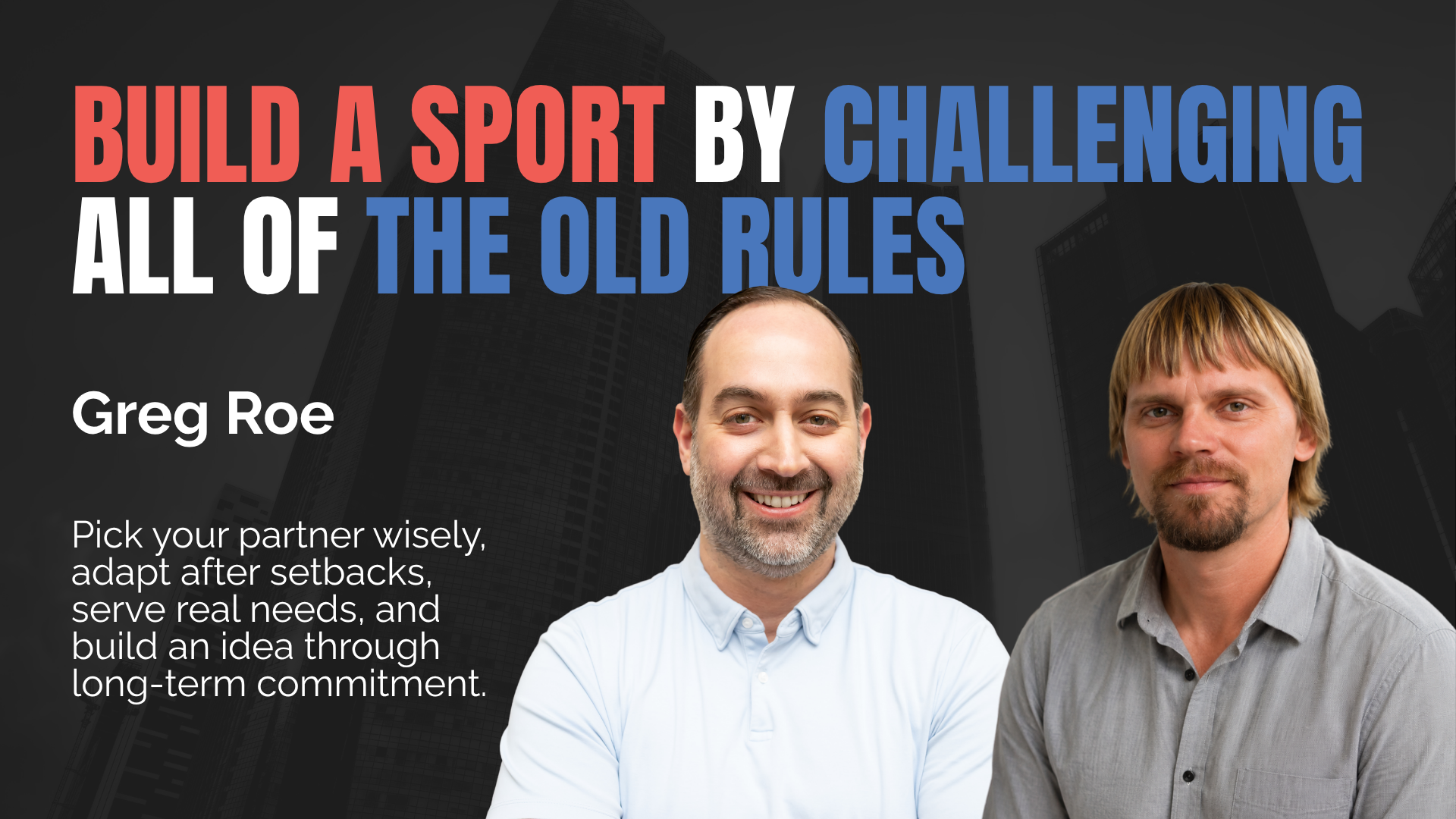
Greg Roe explains how freestyle trampoline grew from his frustration with traditional sport systems. He saw young athletes seeking creativity, freedom, and personal style. Therefore, he chose to build an alternative instead of waiting for established leaders. Freestyle trampoline became his answer to rigid rules and limited expression.
However, that decision brought immediate resistance. Roe faced criticism, threats, and removal from Team Canada. Still, he treated rejection as a reason to move forward. He believed the traditional model no longer matched how younger athletes wanted to participate.
From Athlete to Founder
Roe traces his story from a Russian orphanage to a new life in Canada. Soon after arriving, his energy led him into gymnastics. Later, he moved toward trampoline because it offered more flexibility. Sport also gave him structure, discipline, and a clear focus during school.
Meanwhile, his interest in kinesiology changed how he viewed performance. He studied anatomy, psychology, and training because those subjects connected with his goals. As a result, his grades improved once learning felt relevant. He eventually left school before one final exam to pursue an emerging opportunity.
That decision led him toward freestyle trampoline and a partnership with Tricia McGeer. Instead of rushing, they built trust through repeated conversations and small projects. Roe advises founders to watch behavior before signing agreements. In particular, pressure, urgency, and resistance to contracts can reveal serious concerns.
What Greg Learned About Failure
Roe doesn’t view setbacks as permanent failures. Instead, he treats them as problems that still need better solutions. His early events built relationships, although they didn’t produce enough profit. Therefore, the team changed its approach and created franchise partnerships.
That change reduced travel costs and expanded the organization into more countries. However, growth created new problems involving contracts, communication, and local infrastructure. Roe kept adjusting the model instead of abandoning it. He argues that every solution creates another puzzle.
The same approach now guides his work with esports. At first, physical athletes didn’t understand the value of digital competition. Consequently, Roe changed the message and focused on lower costs, more access, and added prizes. Freestyle trampoline could then connect physical events with digital participation.
Roe on Trust and Partnerships
Roe also explains how his approach to meetings changed. Earlier, he focused on selling his vision. Now, he starts by asking what the other person needs. Therefore, he spends more time listening and less time pitching.
This shift also changed how he views sponsorships. He now treats sponsor funding like an investment that must create measurable value. Moreover, he encourages athletes to prove their value before requesting support. Views alone don’t guarantee sales, trust, or useful results.
Greg Roe and a New Direction
Ultimately, Roe believes founders must commit to work they genuinely care about. Success may take ten years or longer. Freestyle trampoline required patience, constant learning, and repeated adjustments. His story shows why curiosity, persistence, and service matter more than quick recognition.
Freestyle trampoline also reflects a wider lesson about entrepreneurship. Build for real needs, study people carefully, and keep refining the solution.
More From Greg Roe
https://www.gregroetrampoline.com
Chapters
00:00 Why Urgent Business Pitches Raise Red Flags
01:16 What Is Freestyle Trampoline
04:07 Why Greg Roe Challenged Traditional Sports
06:28 Turning Team Canada Rejection Into Opportunity
11:56 From a Russian Orphanage to Canada
20:14 How Education Changed After Finding Purpose
25:03 How Entrepreneurs Can Evaluate Partners
32:05 Why Business Failure Is a Learning Process
42:19 Advice for Young Entrepreneurs
46:51 How to Build Stronger Business Partnerships