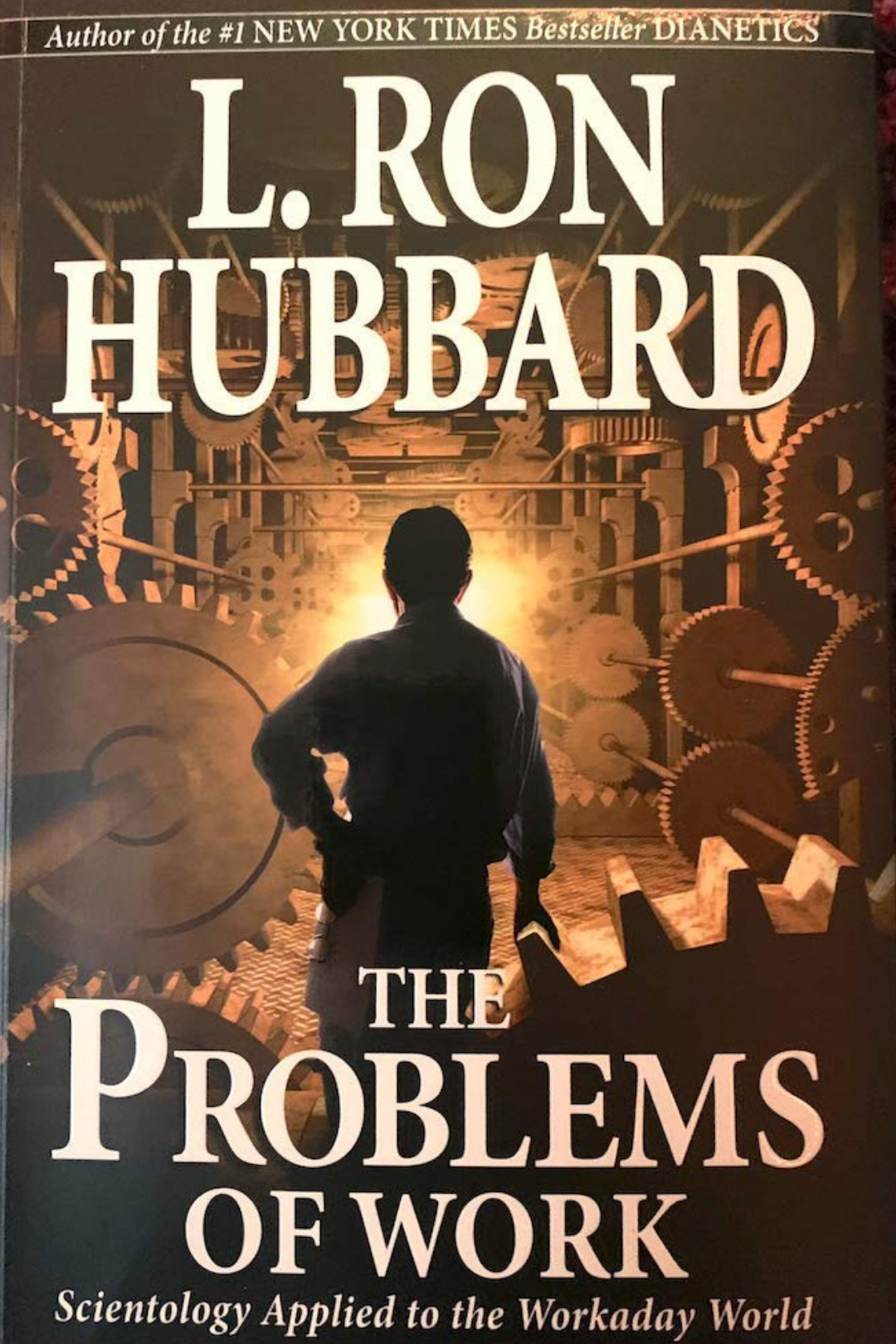
You know that Sunday night knot in your stomach? The one that shows up just thinking about the next day’s meetings, deadlines, or pointless busywork? The Problems of Work doesn’t ignore that feeling. It names it, unpacks it, and then hands you a toolbox to deal with it instead of just shoving it down with coffee and complaints.
This book doesn’t read like your typical workplace advice manual. There’s no corporate lingo or fake enthusiasm about teamwork. It goes deeper, asking why work feels heavy in the first place. Not just stressful, but mentally exhausting, even when the job isn’t that hard. It makes the case that the real struggle isn’t what you’re doing, it’s how your mind is handling it.
And once you see it through that lens, it’s hard to unsee. You start noticing the weird tension in your jaw every time your manager walks by. Catch yourself zoning out halfway through emails. Realize the work isn’t what’s burning you out it’s the way your thoughts are all tangled up while you’re doing it.
What This Book Says That Most Others Don’t
- Work problems are people problems, not task problems
- Mental distractions at work cause physical exhaustion
- There’s a method to untangling confusion in any task
- Control isn’t micromanagement, it’s being fully present
- Responsibility isn’t about blame, it’s about freedom
- You can change how work feels without quitting your job
- Understanding people is more valuable than managing them
- Most burnout starts in your head, not your schedule
You’re Not Tired From Working, You’re Tired From Resisting
One of the main ideas in The Problems of Work is that confusion, not effort, is what really wears people out. That hit hard. Because most of us think we’re exhausted from doing too much. But this book argues we’re drained from doing things while half-distracted, mentally checked out, or confused about what we’re really trying to do.
Ever noticed how solving one small thing can give you more energy than a whole afternoon of multitasking? That’s the vibe here. The book zooms in on why confusion creates stress, why stress becomes exhaustion, and why we keep repeating the cycle even when we know it’s breaking us.
It’s not about working harder. It’s about regaining clarity and control over what you’re actually doing. That’s what gives you energy back.
I Thought I Was Just Bad at Handling Work Stress
At one point, I seriously believed something was wrong with me. Like, maybe I just wasn’t cut out for full-time work. I kept showing up, doing everything right, and still felt like I was drowning in small tasks. Nothing stuck. Nothing felt satisfying. I was exhausted before lunch.
Then I read The Problems of Work and one sentence stopped me: “Confusion is the basic cause of all human upset.” That was it. That was me. I wasn’t lazy or broken. I was constantly operating in mental fog, trying to push through without ever clearing it.
After that, I started paying attention. I slowed down and tackled one unclear task at a time. I started finishing things I’d been putting off for weeks. It didn’t fix everything, but for the first time, I felt like I wasn’t swimming against the current anymore.
Control, Confusion, and Why You’re Zoning Out Again
There’s a specific way The Problems of Work talks about “control” that doesn’t mean bossing people around or being a perfectionist. It means having full, deliberate awareness over what you’re doing, when you’re doing it, and why.
The book breaks it down into three key actions:
- Start something intentionally
- Change or adjust it consciously while it’s happening
- Stop it on purpose when it’s complete
Most of us skip at least one of those steps. We rush into things, half-finish projects and never really stop to reset. That scrambled approach makes work feel heavier than it needs to.
When you regain control in that specific way, tasks stop bleeding into each other. Mental noise goes down. Focus goes up. And even boring work feels smoother.
People Make Work Harder. This Book Explains Why.
Ever had a coworker who somehow ruins the vibe just by walking in the room? Or a manager who leaves you more confused after a meeting than before it started? This book doesn’t just teach you to cope with that, it teaches you how to understand it.
It treats the workplace like a living organism made of interactions, not just duties. It focuses on things like attention, communication, understanding, and intention stuff most job training never mentions.
Let’s compare the typical view of work problems to how this book sees them:
| Usual View of Work Stress | The Problems of Work View |
| Bad time management | Unclear starts and stops |
| Difficult coworkers | Miscommunication and misunderstood intent |
| Low energy or burnout | Mental confusion, not physical exhaustion |
| Lack of motivation | Inability to observe progress clearly |
| Constant distraction | Lack of present-time awareness |
It shifts the blame from outside forces to your ability to observe and handle them. That shift alone feels weirdly empowering.
Not About Being a Better Worker. About Being More You.
There’s no chapter here telling you to work harder, smile more, or “lean in.” This isn’t that kind of book. It’s more like someone handing you the instruction manual for your own mind and saying, “Hey, this might help when things get weird.”
It’s also refreshingly human. It doesn’t assume you’re some productivity robot trying to hack your day. It assumes you’re a person, probably overwhelmed, definitely under-recognized, trying to get through the day with some peace of mind intact.
The tools it gives like breaking down confusion, spotting distraction, using control intentionally aren’t flashy. They’re simple. But they stick.
Little Wins That Make Work Less Miserable
- Confusion causes more stress than effort does
- Control means fully choosing to start, change, and stop things
- Most exhaustion at work comes from mental chaos
- You can improve how you feel without changing your job
- Clear tasks give you energy back
- Understanding people makes work easier, not harder
- The biggest problems at work are often invisible habits
- You don’t need motivation. You need clarity
You don’t have to love your job to make peace with it. You just need better tools for handling the invisible stuff that’s weighing it down. The Problems of Work hands you those tools in a way that feels personal, not preachy. Use them. Let the knot in your stomach finally loosen a little.